

About Post
About: Swedish pop star Zara Larsson says she felt saddened by a White House TikTok pairing her song “Midnight Sun” with footage of immigration arrests, calling the treatment of migrants dehumanizing.
Title: Zara Larsson Criticizes White House for Using “Midnight Sun” in Immigration Video
Subject: Swedish singer Zara Larsson objects after the White House uses her song in a social media video about deportations.
About: The Swedish pop star says she felt saddened by a White House TikTok pairing “Midnight Sun” with footage of immigration arrests, calling the presentation dehumanizing.
Article:
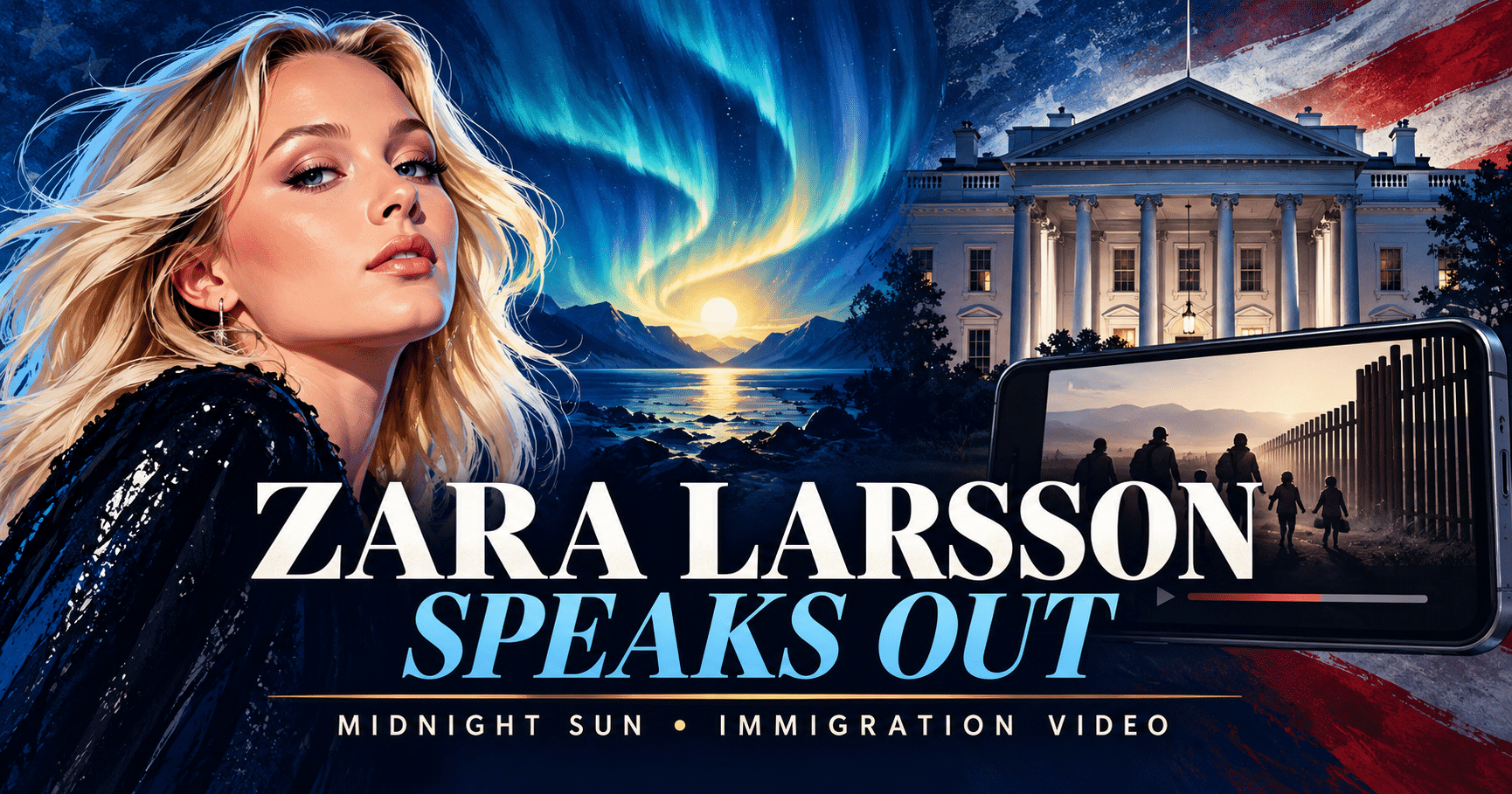
A pop song associated with summer, connection and the Swedish singer who made it has become the center of a political dispute thousands of miles from Sweden. Zara Larsson criticized the White House after its TikTok account used “Midnight Sun” as the soundtrack to a video showing U.S. immigration agents detaining people.
The White House posted the clip on Wednesday, September 16, with the caption “Never ending deportations…” The wording echoed the song’s title and lyric imagery. Swedish public broadcaster SVT and other outlets reported the post and Larsson’s response the following day. In a video response of her own, Larsson said she felt sad and that her heart felt heavy. She objected to the way the people shown were presented, describing the clip as dehumanizing.
The distinction she drew was important: Larsson said she was not trying to shut down discussion of immigration policy. Rather, she questioned turning images of real people being arrested into a punchline or a meme, particularly with an upbeat track laid over the footage. The White House clip depicts Immigration and Customs Enforcement, or ICE, carrying out arrests; the people’s identities and individual circumstances were not established in the coverage of the post.
Larsson also connected her reaction to her own life in Sweden. In the response reported by PEOPLE and SVT, she spoke about being fortunate to have been born in a country where she had access to healthcare, education and opportunities. She said that much of what shapes a person’s prospects comes down to luck, and urged viewers to remember that migrants are people seeking better lives for themselves or their families. Her comments were personal and political, not a claim that every person shown in the footage had the same story.
The singer said the song’s use felt especially jarring because “Midnight Sun,” the title track from her 2025 album, means something different to her. She described it as being about connection—with nature, the universe and other people. Pairing that idea with scenes of arrests, she argued, created division instead. The interpretation is Larsson’s own explanation of her work; listeners may bring their own meanings to the song.
The moment has drawn attention in Sweden as well as internationally because Larsson is one of the country’s best-known contemporary pop artists, and because it places Swedish pop culture inside a heated U.S. political debate. It also follows an earlier dispute this year in which the White House used another Larsson track, “Lush Life,” in a video carrying pro-ICE messaging, according to the Guardian and other reports. That history helps explain why the new post prompted an immediate response from the artist and renewed discussion online.
Questions about music licensing are separate from the criticism itself. The public reporting establishes that the White House’s TikTok used the song and that Larsson objected; it does not, by itself, establish whether the use violated a license or copyright law. No legal finding is implied here.
For Swedish fans, the episode has become another reminder that a song can travel far beyond the artist’s intended context once it is used on social media. Larsson’s response asks audiences to look past the edit and consider the people visible in it. Readers following entertainment and culture stories from Sweden can find more at https://fashiontalktoday.com/.
The confirmed core of the story is straightforward: the White House posted an immigration-enforcement video using “Midnight Sun,” and Larsson publicly criticized the post. The broader debate—about immigration policy, social media, artistic control and the meaning of pop music—continues around that exchange.
Student Ratings & Reviews